



Las cápsulas geolocalizadas son una forma de vincular recuerdos digitales con lugares concretos: una calle donde alguien aprendió a montar en bicicleta, the bench in a park where an important decision was made, a beach associated…
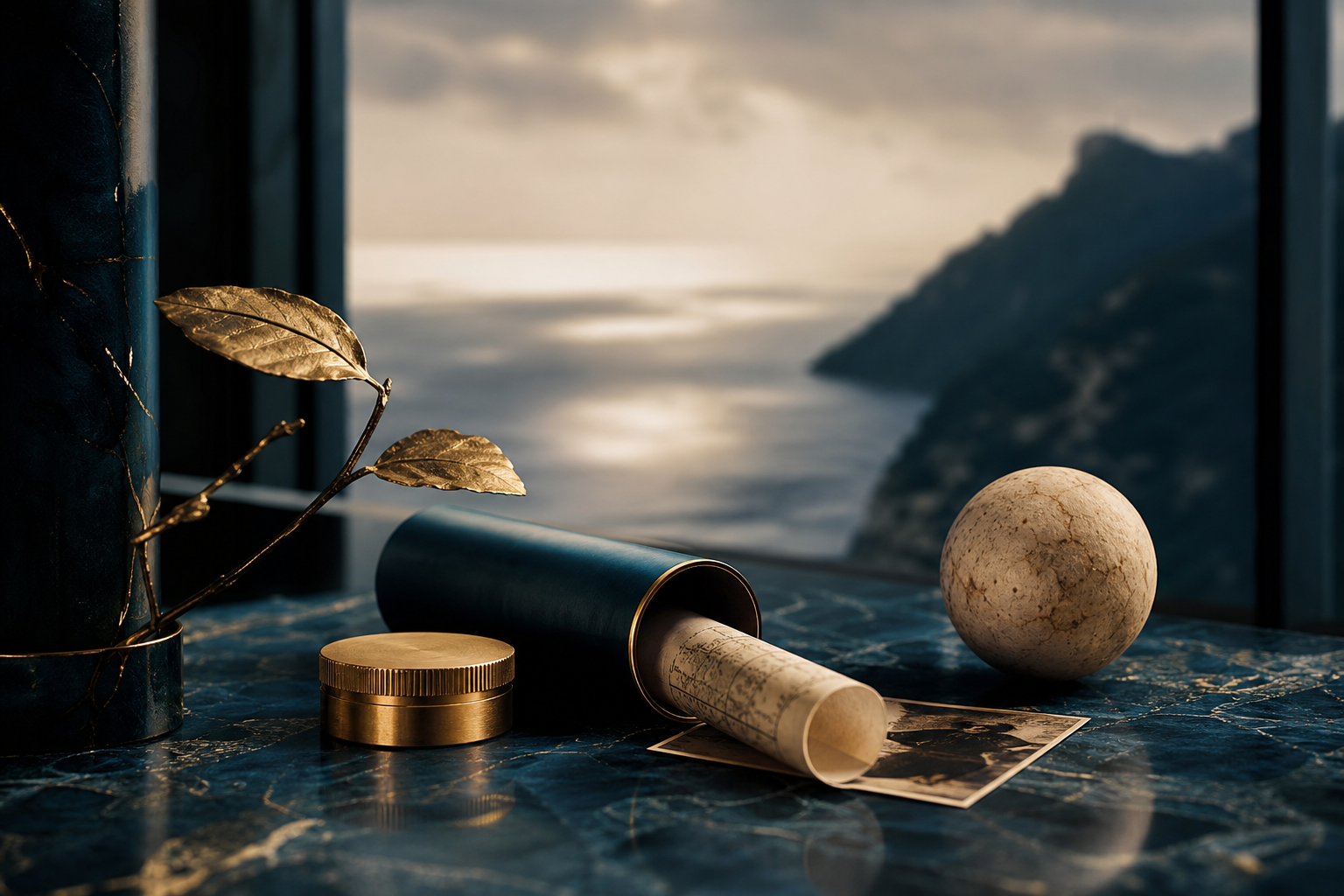
Las cápsulas geolocalizadas son una forma de vincular recuerdos digitales con lugares concretos: una calle donde alguien aprendió a montar en bicicleta, the bench in a park where an important decision was made, a beach associated with a family photograph or the façade of an old house. By bringing together memory, landscape and context, they turn the location into a gateway to stories that, otherwise, could be lost over time.
Its value does not lie solely in placing a point on a map. A well-thought-out capsule can contain an image, an audio, a letter, a brief timeline or instructions to understand what a place meant at a certain time. The location provides context, but the story is what transforms a geographic point into living memory.
This type of archive opens stimulating possibilities for families, communities, educational projects and people who want to leave a legacy. It also requires caution: revealing coordinates can affect privacy, exposing vulnerable places or creating expectations of permanence that no digital platform can guarantee on its own. Designing a geolocated capsule involves making decisions about access, preservation, accuracy and recipients.
A geolocated capsule is a set of digital content associated with a location. That location can be expressed through coordinates, An approximate address, un barrio, A route or a wider area. The content can be made available immediately, Reserved for a future date or shared only with certain people, according to the chosen system and the available configuration.
A capsule does not need to be extensive to be meaningful. Sometimes an identified photograph is enough, a few lines of context and the approximate date. In other cases, a capsule gathers family documents, voice recordings, Videos, historical maps, recipes, letters or testimonies from various generations.
Una cápsula útil responde con sencillez a cuatro preguntas: dónde ocurrió, cuándo ocurrió, a quién afectó y por qué merece recordarse. Esta estructura ayuda a quien consulte el material dentro de diez o treinta años, cuando los detalles que ahora parecen obvios ya no lo sean.
Conviene distinguir entre una cápsula vinculada a un lugar y un objeto físico escondido en él. Enterrar o depositar objetos sin autorización puede dañar el entorno, infringir normas del espacio o poner en riesgo a terceros. La versión digital permite relacionar memoria y territorio sin intervenir físicamente en el paisaje.
Los recuerdos no se producen en el vacío. El ruido de una estación, la pendiente de una calle, el olor de una huerta o la vista desde una ventana pueden explicar una historia con más precisión que una fecha aislada. Situar un documento en el territorio ayuda a recuperar esas capas de significado.
For a family, el mapa puede revelar relaciones entre biografías que nunca se habían observado juntas: los cambios de domicilio, las escuelas frecuentadas, los trayectos de trabajo, los lugares de reunión o los pueblos de origen. Para una comunidad, puede servir para documentar comercios desaparecidos, fiestas locales, transformaciones urbanas o paisajes amenazados por el cambio del entorno.
El paisaje no es un decorado neutral: puede ser una fuente documental tan relevante como una fotografía o una carta. However, esa relevancia no debe llevar a idealizar el lugar. Un mismo sitio puede conservar recuerdos felices para una persona y experiencias difíciles para otra. La cápsula debe dejar espacio a matices, desacuerdos y silencios legítimos.
La geolocalización también favorece el descubrimiento. Una persona joven puede recorrer un barrio familiar y encontrar historias asociadas a puntos que le resultaban cotidianos. At the same time, el descubrimiento debe estar guiado por límites claros: no toda memoria necesita estar disponible para cualquiera, ni todo lugar debe convertirse en destino público.
Una de las decisiones más importantes consiste en definir cuánta precisión necesita la ubicación. Las coordenadas exactas pueden ser apropiadas para un monumento público, a well-known viewpoint or a family home whose current owners have given their authorization. In other cases, revealing the exact point would be unnecessary or imprudent.
it is possible to work with various levels of precision: country, municipality, neighborhood, street, section of a route, approximate area or rounded coordinates. it is also possible to use a narrative reference, such as 'near the old stop' or 'on the slope facing the river', when that information preserves the meaning without exposing sensitive data.
it is preferable to avoid the exact location if the capsule refers to an inhabited residence, to minors, to people in vulnerable situations, to private spaces, to shelter locations, to sites, to delicate natural enclaves or to locations that may attract unwanted visits. The same criterion applies to accounts of violence, health, grief, migration, or family conflicts.
Geographical accuracy should be proportional to the benefit of sharing it and the risk that someone may misuse it. If the documentary value is maintained when expanding the map radius, the safest option is usually to use that larger area.
It is also advisable to review photographs and videos. An image can contain location metadata even if the caption text does not indicate any address. Before publishing or sharing files, it is advisable to check what technical information they contain and decide whether it should be kept, modificar o eliminar según el objetivo del proyecto.
Una cápsula puede contener datos de muchas personas además de quien la crea. Nombres completos, caras, voices, domicilios pasados, relaciones familiares, creencias, profesiones o circunstancias íntimas pueden aparecer en un solo álbum. Tener un documento no siempre significa tener libertad ética para difundirlo.
La buena práctica empieza por identificar a las personas vivas que puedan verse afectadas y preguntarles, cuando sea razonable, qué nivel de acceso aceptan. Es especialmente importante hacerlo con retratos identificables, audios personales y recuerdos que describan asuntos delicados. Si no es posible obtener una respuesta, puede optarse por restringir el acceso, anonimizar detalles o posponer la publicación.
Consent should not be treated as a formality, but as a conversation about expectations, boundaries, and possible changes of mind. Authorization to share a photo in a family group does not necessarily equate to authorizing its association with a specific location or its public exposure.
In the case of deceased persons, reflection is still necessary. Families may have different views on which stories to tell. A careful approach distinguishes what can be verified from what is interpretive, avoids presenting rumors as facts, and does not use intimate details just because they are striking.
These questions are not intended to paralyze the project. Their purpose is to prevent the enthusiasm for documenting family life from ending up reducing people's control over their own history.
The emotion of a memory can be immediate for the person creating it, but lose legibility for those who receive it later. A durable capsule needs explicit context. Frases como “aquí pasó todo” o “el sitio de siempre” pueden tener sentido hoy y resultar incomprensibles en el futuro.
Es preferible describir con lenguaje directo qué se ve, who participates, qué ocurrió y por qué fue importante. Si hay incertidumbre, debe indicarse: “probablemente”, “según el recuerdo de…”, “fecha aproximada” o “identidad no confirmada”. Esa honestidad mejora el valor documental y permite que otras personas añadan información sin tener que desmontar afirmaciones demasiado tajantes.
Conservar memoria no consiste en fijar una versión perfecta del pasado, sino en dejar un rastro comprensible y honesto de lo que se sabe. A brief note about doubts can be as valuable as confirmed data.
A repeatable structure helps keep the file organized. It can include a recognizable title, the creation date of the capsule, the date or period of the event, the level of accuracy of the location, a description, the names of those who provided information and the access conditions.
It is also useful to add a reference to the origin of each file: 'scanned from a paper copy', 'recording made by the family', 'photograph provided by…'. If edits have been applied, restorations or cuts, noting it avoids future confusion. This information does not have to be overly technical; basta con que permita entender de dónde procede el material.
Cuando una cápsula recoge una historia compleja, puede separar claramente tres capas: hechos conocidos, recuerdos personales e interpretaciones. For example, una fecha de mudanza puede constar en un documento; el motivo de la mudanza quizá proceda de un testimonio; y el significado emocional del cambio pertenecerá a cada miembro de la familia.
Una cápsula geolocalizada no depende solo de su contenido. Depende de que los archivos sigan pudiendo abrirse, localizarse y comprenderse con el paso del tiempo. La conservación digital requiere atención continuada: los dispositivos se reemplazan, los formatos envejecen, las cuentas pueden quedar inaccesibles y los servicios cambian sus condiciones o dejan de operar.
No digital space should be considered a single sufficient copy to preserve important memory. If a file is valuable, it is advisable to keep copies in more than one place and periodically check that they open correctly. This recommendation applies to both family photographs and audios, documents and map exports.
For essential materials, widely used formats that are easy to open with different tools are usually preferable. Images, scanned documents and audios should also be kept with coherent file names. A name like 'IMG_0042' says little; 1994-08-15_excursion_river_with_grandmother.jpg' gives an initial clue, even if the date is approximate.
Geolocation deserves its own copy within that plan. A visual map may not be enough if the platform changes. It is advisable to also keep a readable list of places, descriptions and spatial references. An attractive map can facilitate exploration, but a structured list facilitates retrieval.
A family file only serves its purpose if the intended recipients can find it and understand how to access it. Many digital collections remain locked because no one knows the credentials, the location of the copies or the criteria by which the materials were organized.
Before creating many capsules, it is advisable to decide who will take care of the whole. It can be a single person, a small family group or a community with shared responsibilities. The important thing is that the role is explicit and does not rely solely on the memory of the person who started the project.
The digital legacy is not delivered only through files: it also needs clear instructions in order to be received. These instructions may include where copies are located, what content is private, who can invite new people, how to correct mistakes and what to do if a family member requests the removal of a capsule.
Permissions should be reviewed when circumstances change: a minor comes of age, a house is no longer part of the family, a relationship ends or a place becomes publicly sensitive. Access does not have to be permanent or the same for everyone.
A private model limits access to one person or a small core. It is suitable for diaries, health stories, intimate documents or materials about grief. Un modelo familiar permite la participación de parientes invitados y favorece la corrección colaborativa. Un modelo público puede tener sentido para historias de barrio, patrimonio local o rutas culturales, siempre que se hayan valorado los derechos, la privacidad y los riesgos de visita.
También puede combinarse el acceso: una cápsula pública muestra una explicación general, mientras que un archivo privado conserva fotografías, nombres completos o testimonios extensos. Separar la capa pública de la capa íntima permite compartir significado sin entregar toda la información personal.
Las cápsulas geolocalizadas pueden atraer atención hacia un sitio. En algunos casos, eso es deseable: una asociación vecinal puede querer poner en valor una ruta histórica. In other cases, may cause inconvenience to residents, accumulation of visitors, access to private land or damage to fragile environments.
Caution is especially necessary in natural spaces, ruins, archaeological sites and places associated with cultural or religious practices. Publishing an exact coordinate can facilitate irresponsible behavior, even when the initial intention is educational or affectionate. It is also better not to reveal information that could indicate where someone lives, where a relative is buried without explicit consent or the routes a person usually takes.
Sharing a memory does not oblige turning the place that inspires it into a destination accessible to everyone. A general description may be sufficient, una fotografía tomada con respeto o una invitación a conocer el contexto sin señalar el punto exacto.
Si la cápsula propone una ruta, debe evitar presentar caminos privados, inseguros o no autorizados como si fueran de libre paso. Likewise, no conviene incentivar la entrada en propiedades ajenas ni la búsqueda de objetos físicos. El respeto por el entorno y por quienes lo habitan forma parte de la calidad del proyecto.
Una familia puede crear un mapa privado de viviendas significativas. En lugar de publicar direcciones completas, puede usar el nombre del municipio y un relato sobre cada mudanza: quién vivió allí, qué etapa representa y qué objetos o fotografías se conservan. Si una vivienda continúa habitada por terceros, la ubicación puede reducirse al barrio o eliminarse por completo.
Un grupo de hermanos puede asociar audios de sus mayores a lugares de infancia. Para preservar la intimidad, cada audio puede contener una introducción que indique quién habla, cuándo se grabó y si hay asuntos que no deben compartirse fuera de la familia. Si aparecen historias sobre otras personas vivas, se pueden editar o restringir.
Una asociación local puede reunir recuerdos de comercios, fábricas o plazas transformadas. En este caso, es recomendable diferenciar los datos comprobados de las evocaciones vecinales. Una frase como “varios residentes recuerdan que…” es más precisa que afirmar una versión como definitiva sin documentación suficiente.
En un contexto educativo, Students can investigate the nearby environment without publishing personal data. For example, They can document changes in street names, Uses of public buildings or biodiversity observed in authorized areas. School projects gain value when they teach how to investigate, Cite the source of information and protect privacy.
It is also possible to create capsules for moments of transition: Leaving a house, Closing a family business, Arriving in a new city or the recovery of a landscape after an intervention. Not all these stories require public visibility; Their main audience can be the family itself.
The initial ambition can become an obstacle. Digitizing the entire family history, ubicar cada fotografía y entrevistar a todas las personas cercanas suele ser un objetivo difícil de sostener. Es más eficaz comenzar con una pregunta limitada y una selección pequeña de materiales.
For example: “¿Qué tres lugares explican mejor la historia de nuestros abuelos?”, “¿Qué recorrido hacía la familia durante las vacaciones?” o “¿Qué espacios del barrio han cambiado y cómo los recuerdan sus habitantes?”. Una pregunta concreta ayuda a decidir qué incluir y qué dejar para una fase posterior.
Starting with a few well-described capsules is more valuable than gathering hundreds of points without context or a preservation plan. As the project matures, it will be easier to establish consistent criteria for incorporating new materials.
Reviewing is not an archive failure, but part of its care. It may be necessary to correct a date, modify a label, change the level of visibility or remove an overly precise location. Keeping a record of relevant changes helps understand how the collection has evolved without erasing its editorial history.
Geolocated capsules do not only contain celebrations. Many places are associated with loss, discrimination, conflicts, illness, precariousness or ruptures. Documenting these experiences can be important, but it requires a respectful pace and language.
Not all stories should be told now, nor should all be told with the same level of detail. A person may want to acknowledge that a place was significant without publicly explaining everything that happened. Another may prefer that the memory remain private until certain people can consult it with sufficient support or maturity.
The right to remember also includes the right to keep things private, postpone or reformulate a story. A capsule should not pressure anyone to turn their experience into shareable content.
When contradictory accounts exist, it may be more honest to capture the plurality than to force an agreement. It can be indicated that different people remember an event differently, attribute each testimony to the appropriate person and avoid issuing a definitive judgment when there is not enough basis. In serious matters, it may be preferable to keep documents restricted and seek appropriate professional guidance before disseminating them.
Geolocated capsules allow personal stories to be linked to the territories that shaped them. Well-designed, they help discover family connections, preservar cambios del paisaje y transmitir historias a quienes no vivieron determinados momentos. Su fuerza nace de combinar emoción, contexto y organización.
Pero un proyecto valioso no se mide por el número de ubicaciones ni por la exactitud de cada coordenada. Se mide por la calidad del relato, el respeto hacia las personas implicadas y la posibilidad real de que el contenido siga siendo accesible y comprensible con el tiempo.
La mejor cápsula geolocalizada es la que conserva significado sin comprometer innecesariamente la privacidad, la seguridad o el entorno. Para empezar hoy, elija un solo lugar significativo, reúna una imagen o un testimonio, escriba cinco líneas de contexto, decida quién debe verlo y guarde una copia organizada. Ese gesto pequeño puede ser el comienzo de un legado familiar más consciente, habitable y duradero.
Log in or create your account without leaving this page.
WordPress administration remains available separately for authorized users.