



Recording a family oral history is much more than recording a conversation. It is an opportunity to preserve memories, ways of speaking, silences, emotional nuances and everyday details that rarely appear in written documents. A voice can convey…
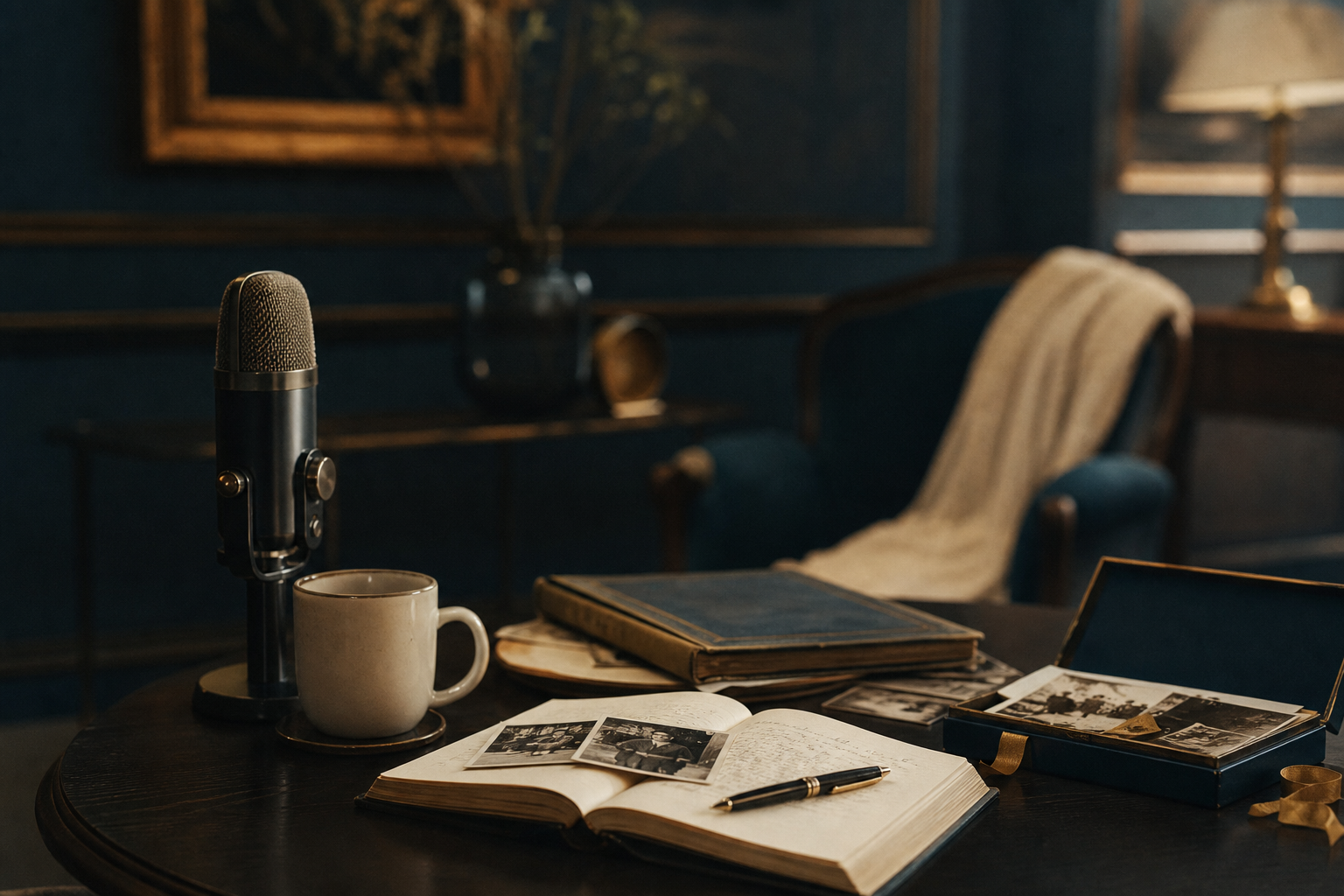
Recording a family oral history is much more than recording a conversation. It is an opportunity to preserve memories, ways of speaking, silences, emotional nuances and everyday details that rarely appear in written documents. Una voz puede transmitir cercanía, humor, Doubts, afecto o nostalgia de una manera que una fotografía o una fecha, por sí solas, no alcanzan a recoger.
La calidad de una entrevista no depende únicamente del micrófono. Importan la preparación, la confianza, el respeto por los límites de la persona entrevistada y un plan realista para guardar el resultado. Una historia oral valiosa no busca obtener respuestas perfectas, sino preservar una experiencia personal contada con libertad y dignidad.
Este proceso puede hacerse con medios sencillos: un teléfono móvil, una grabadora digital o un ordenador pueden servir si se utilizan con cuidado. Lo esencial es decidir qué se desea conservar, Ask for permission clearly and create conditions in which the conversation can take place without hurry or pressure. It is also advisable to think from the beginning about what will happen with the recording in a few years: Who will be able to listen to it, Where it will be stored and how it will be contextualized.
A family oral history is a person's account of their own life, their bonds, their memories and their interpretation of events. It is not necessarily a complete biography nor a historical record. It can focus on childhood, a profession, a move, a recipe, a grief, a friendship, a celebration or a specific stage of the family.
The interviewed person is not obligated to remember everything accurately. Memory is selective, it changes over time and mixes facts, impressions and emotions. This does not invalidate the testimony. On the contrary, it can help understand how someone experienced or interpreted an event. If doubtful dates or different versions of the same fact appear, it is not necessary to correct them during the conversation unless the person wants to verify them.
The objective is not to subject family memory to an examination, but to listen to how each person gives meaning to their own story. Sometimes, An apparently minor anecdote —the way to school, a song that played at home, the smell of a workshop or the layout of a house— provides enormous emotional and documentary value.
It is advisable to distinguish between three possible approaches:
Choosing an approach helps prepare questions and avoid overly long sessions. It also allows respecting the energy of the interviewee. A focused and comfortable forty-minute conversation can be richer than a tedious or invasive multi-hour recording.
Before choosing apps, cables or file formats, it is advisable to formulate a simple question: why do we want to do this interview? The answer may be personal, familiar, cultural or practical. Perhaps one wants to preserve a grandparent's voice, document the history of a house, gather memories before a family reunion or leave a testimony for children and grandchildren.
A clear purpose allows for more responsible decision-making. If the recording is only for home listening, the consent and level of detail may be different from those required to share excerpts on social media, posting it on a website or incorporating it into a community project. The intended use must be explained before recording, not after obtaining an intimate testimony.
It is useful to leave in writing, even if just in a short note, some basic points: who will conduct the interview, who participates, what topic will be addressed, how much time is expected to be spent, on what medium the recording will be stored and who will have access to it. It is not necessary to turn a family conversation into a cold procedure, but it is important to avoid ambiguities that could cause discomfort later.
It also helps to decide whether only audio will be recorded or both audio and video. Video preserves gestures, objects shown during the conversation, and facial expressions, but it can make some people feel more exposed. Audio is usually more discreet, takes up less space, and can facilitate a natural conversation.
If there are several people interested in the project, it is wise to agree on expectations before starting. For example, not every family member who helps organize an interview automatically needs to receive a copy. The person being interviewed may want certain parts to remain restricted, that they are not shared until a specific date or that specific matters are excluded.
Preparation does not consist of drafting an interrogation. It serves to approach the conversation with curiosity, context and listening skills. Light research can be useful: review albums, cartas, names of places, family chronologies or documents that the person wishes to show. However, It is advisable not to assume that these materials contain the only valid version of the facts.
Before the session, explain in simple words what is going to happen. You can say, For example: 'I would like to record a conversation about your youthful memories to preserve it in the family'. We can stop whenever you want, leave questions unanswered and decide later which parts are kept or shared'. This explanation reduces uncertainty and provides control.
Meaningful consent requires that the person can understand the purpose, ask questions and change their mind. If the person has hearing difficulties, concentration difficulties, speech or memory difficulties, adapt the pace and format. It may be better to hold several short sessions, use simple questions or invite a trusted person, as long as the interviewed person wants it.
Look for a quiet space, known and reasonably comfortable. Turn off TVs, radios, loud fans and unnecessary notifications. Close windows if there is heavy traffic, but consider the temperature and the well-being of the participant. A room with too much reverberation can make listening difficult; curtains, Carpets and upholstery usually soften echoes.
Avoid scheduling the conversation at times of fatigue, large family visits or immediate commitments. Ask how long they feel like talking and confirm that a break can be taken. If the interview has a predictable emotional load, such as mourning, a separation, an experience of violence or an illness, it is advisable to allow more time and lower expectations regarding content.
Not all stories need to be told at once. Respect a pause, a change of topic or a 'I prefer not to talk about that' is an essential part of a good interview.
The best questions usually invite description, remembering, and reflection. Closed questions are useful to confirm facts, pero una sucesión de respuestas de “sí” o “no” rara vez genera un relato vivo. En lugar de preguntar “¿Te gustaba el colegio?”, puede probar con “¿Cómo era un día normal en tu colegio?” o “¿Qué recuerdas del camino que hacías para llegar?”.
Las preguntas abiertas no deben utilizarse para empujar a alguien hacia una revelación. Preguntar con sensibilidad significa ofrecer una puerta, no obligar a cruzarla. Si un asunto parece delicado, puede formularse de manera opcional: “Solo si te apetece hablar de ello, ¿cómo recuerdas aquella época?”.
Las preguntas de seguimiento son a menudo más importantes que la lista inicial. Expresiones como “¿podrías contarme un poco más?”, “¿qué ocurrió después?” o “¿cómo te hizo sentir?” ayudan a profundizar sin interrumpir el hilo. También es útil pedir precisión sensorial: “¿Qué se veía desde la ventana?”, “¿a qué olía aquel lugar?” o “¿qué sonidos recuerdas?”.
Escuchar no es esperar el turno para hacer la siguiente pregunta; es seguir el relato que la otra persona ha decidido construir. Mantenga silencios breves cuando sea necesario. Muchas personas necesitan unos segundos para buscar una palabra, ordenar una imagen o decidir si desean continuar. Llenar cada silencio puede cortar un recuerdo que estaba a punto de aparecer.
Los conflictos familiares, los problemas económicos, las enfermedades, las pérdidas, las experiencias de discriminación o los episodios traumáticos pueden formar parte de una vida, pero no son materias obligatorias. Si decide mencionarlos, hágalo sin insistir y sin plantear la pregunta como si la persona tuviera que justificar sus decisiones pasadas.
Evite frases que cierren el relato o juzguen su veracidad, como “eso no fue así”, “ya sabes que tu hermano lo cuenta de otra manera” o “deberías hablar de aquello”. Si surge una contradicción con otros testimonios, puede anotarla para contextualizarla más tarde sin convertir la entrevista en una discusión.
No hace falta disponer de un estudio profesional para lograr un resultado útil. La prioridad es que las voces se entiendan bien y que el archivo se conserve completo. Before starting, haga una prueba de uno o dos minutos. Escuche el resultado con auriculares si es posible: así detectará ruidos, golpes, volumen bajo o una mala colocación del dispositivo.
Coloque el micrófono cerca de la persona entrevistada sin invadir su espacio. Si se usa un teléfono móvil, es preferible apoyarlo sobre una mesa estable y acercarlo razonablemente, en vez de sujetarlo en la mano. Evite dejarlo junto a vasos, papeles que se van a mover o aparatos que puedan vibrar. Si hay dos voces, procure que ambas queden a una distancia parecida del dispositivo.
Una grabación sencilla, estable y audible tiene más valor que una producción compleja que impide hablar con naturalidad. Durante la conversación, compruebe de manera discreta que la grabación sigue activa, sobre todo después de una pausa. No interrumpa constantemente para mirar la pantalla, pero tampoco confíe solo en haber pulsado el botón al inicio.
Si su dispositivo permite elegir formato, priorice una opción ampliamente compatible y de buena calidad. Guarde siempre el archivo original sin editar. Si después crea una versión recortada, mejorada o comprimida para compartir, mantenga el original como referencia y conserve una nota sobre las modificaciones realizadas.
En una entrevista de vídeo, cuide la luz sin deslumbrar. La fuente principal debería iluminar el rostro de la persona, no quedar detrás de ella. Compruebe también el encuadre: deje espacio suficiente para que pueda moverse con comodidad y evite que aparezcan en el plano documentos, pantallas, fotografías o datos personales que no se hayan decidido mostrar.
Si se utiliza una cámara o teléfono, active un modo de no molestar cuando sea posible. Una llamada entrante, una alerta o la falta de batería pueden interrumpir un momento importante. Lleve el dispositivo cargado y, si la sesión será larga, tenga a mano una fuente de alimentación compatible.
La relación entre quien pregunta y quien responde afecta directamente al resultado. Un entrevistador atento no ocupa el centro de la historia. Puede guiar la conversación, pero no necesita demostrar cuánto sabe ni convertir cada respuesta en una ocasión para hablar de sí mismo.
Empiece por temas accesibles: una casa, una afición, una persona querida, una costumbre o una fotografía. Esto permite que la persona se familiarice con la situación de grabación. Más adelante, si ella misma lo desea, The conversation can reach more complex aspects. There is no single formula: Some people speak easily from the beginning; Others need several meetings.
Trust is built when the interviewee perceives that they retain control over their voice, their time and their boundaries. Ask if they want to drink water, rest, or return to a topic. If they get emotional, do not turn that emotion into a show or rush them to continue. You can offer a break and calmly ask if they want to continue, change the subject or finish for that day.
It is advisable to avoid the temptation to embellish the story to make it more attractive. It is also not necessary to eliminate all doubts, repetitions, or laughter. They are part of the nature of a real conversation. La edición posterior puede mejorar la escuchabilidad, pero no debería borrar de forma engañosa el sentido de lo dicho.
Una historia oral puede contener información sobre personas que no están presentes: full names, addresses, conflicts, adoptions, health issues, relationships, creencias o situaciones económicas. Aunque la intención sea afectuosa, compartir estos datos sin pensar puede afectar a la privacidad, la seguridad o la reputación de otras personas.
Antes de grabar, explique si habrá copias y dónde podrían guardarse. Upon finishing, conviene volver a hablar de ello. Algunas personas se sienten cómodas durante la conversación, pero prefieren restringir la difusión al escuchar el resultado o al reflexionar con calma. El permiso para ser grabado no equivale automáticamente al permiso para publicar, reenviar o editar sin límites.
Puede preparar una hoja simple, una nota firmada o un registro digital que recoja las decisiones acordadas. El nivel de formalidad dependerá de la familia y del uso previsto, pero la claridad beneficia a todas las partes. Entre otras cuestiones, puede incluir:
Si participan menores de edad, personas dependientes o personas cuya capacidad para comprender las implicaciones de la grabación es limitada, la prudencia debe ser mayor. No basta con que otra persona de la familia tenga interés en registrar el testimonio. Busque una forma de obtener una autorización adecuada y adapte el proyecto al bienestar de quien participa.
También es recomendable pensar antes de incluir música comercial, vídeos ajenos, fotografías de terceros o lecturas extensas de obras protegidas. Una entrevista familiar puede ser privada, pero el uso posterior de materiales ajenos puede plantear problemas si se publica o distribuye ampliamente. Si tiene dudas sobre un uso público, conviene recabar orientación especializada antes de difundir el contenido.
Tras la entrevista, listen to or view the complete file as soon as possible. Check that it has been saved correctly and note any issues: an interruption, a device change, an unrecorded part or a request to exclude a segment. This early review allows for correcting problems while they are still fresh.
A transcription can facilitate future consultation, especially in long interviews. It does not have to be perfect to be useful. It can faithfully capture the words and add approximate timestamps, names of places, references to photographs or observations necessary to understand the context. If a word is not understood, it is preferable to indicate it rather than invent an interpretation.
The description accompanying a recording is part of its preservation: without context, incluso una voz querida puede volverse difícil de identificar con el tiempo. Un archivo llamado “audio final definitivo” ofrece poca información dentro de unos años. Instead, un nombre como “1987-05-14_entrevista-Maria-Lopez_infancia-en-Valencia_audio-original” puede ser mucho más útil, siempre que no exponga datos que se hayan decidido mantener reservados.
Editar puede consistir en recortar los minutos iniciales de preparación, reducir un ruido continuo o crear extractos temáticos para la familia. Estas intervenciones pueden ser razonables si se conservan los originales y se explican. Lo que conviene evitar es alterar el sentido de una respuesta uniendo frases alejadas, eliminando matices esenciales o presentando como afirmación contundente algo que se dijo con duda.
Si se prepara una versión para compartir, escuche de nuevo los fragmentos sensibles. Revise nombres, contact information, detalles sobre terceras personas y contenidos que puedan causar daño. Sometimes, la mejor decisión es guardar una entrevista íntegra en acceso restringido y elaborar una selección más breve para una reunión familiar.
Grabar es solo el primer paso. Los archivos digitales pueden perderse por averías, cambios de dispositivo, cuentas cerradas, forgotten passwords, borrados accidentales o formatos que dejan de ser cómodos de reproducir. No existe una solución única y permanente, pero una organización sencilla reduce muchos riesgos.
Conservar una historia oral exige copias, orden y revisiones periódicas; un único archivo en un único dispositivo no es un plan de preservación. Mantenga, At a minimum, more than one copy in different places and check from time to time that the files open correctly. If you use online services, understand who manages the account, what happens if you stop using it and how the data is recovered.
For each interview, create a folder with the original file, an access copy if it exists, the transcription, context notes, the usage agreement and any photographs or documents allowed to be included. Add a plain text file with basic information: fecha, approximate location, language, participants, topics covered, equipment used and access restrictions.
You can adopt a consistent convention for file names. For example, starting with the date in year-month-day format makes it easier to sort materials. Avoid ambiguous names, caracteres confusos y versiones sin explicar. En lugar de “entrevista_nueva_2”, use un nombre que indique si se trata del original, una transcripción revisada o una copia de difusión.
Guarde las contraseñas y las instrucciones de acceso de forma segura, sin incluirlas en la propia carpeta de la entrevista. Si el proyecto tiene valor para varias generaciones, deje indicaciones comprensibles para una persona de confianza: dónde están las copias, qué restricciones existen y qué debería hacerse si usted ya no puede gestionarlas.
El legado digital no depende solo de la tecnología: depende de que alguien pueda encontrar, entender y cuidar los archivos cuando cambien las herramientas.
La difusión puede dar una nueva vida a una historia oral. Escuchar la voz de una persona mayor durante una comida familiar, preparar un montaje privado para una celebración o enviar un fragmento autorizado a quien vive lejos puede fortalecer los vínculos. However, compartir también multiplica la dificultad de retirar copias, controlar reenvíos o corregir interpretaciones.
Antes de enviar un archivo, pregúntese quién lo recibirá, para qué lo necesita y si esa persona conoce las condiciones de uso. Una frase breve puede ayudar: “Esta grabación es para escucha familiar privada; Please, no la publiques ni la reenvíes sin consultarlo”. No garantiza el cumplimiento, pero deja clara la expectativa.
Cuando existan asuntos sensibles, valore alternativas. Puede compartir una transcripción parcial, un resumen aprobado por la persona entrevistada o un fragmento que no incluya datos identificativos. También es posible organizar una escucha conjunta en lugar de distribuir una copia descargable.
Compartir con cuidado no significa esconder la historia, sino hacer compatible la memoria familiar con el respeto a quienes aparecen en ella. La prudencia es especialmente importante si una entrevista contiene opiniones sobre familiares vivos, detalles de salud, referencias a menores o recuerdos de conflictos no resueltos.
Muchos problemas no proceden de una mala intención, sino de la improvisación. Preparar unas decisiones básicas permite evitar decepciones técnicas y tensiones familiares. Estos son algunos errores habituales:
Another common mistake is thinking that an interview must be solemn to have value. Everyday conversations, culinary memories, neighborhood stories and explanations about familiar objects can be just as meaningful as major events. The tone can be intimate, cheerful, reflective or practical; what matters is that it is faithful to the person and the agreed purpose.
A good family oral story comes from a simple decision: to dedicate time to listening. Then it requires attention to details that protect both the content and the person sharing it. Preparing open-ended questions, taking care of the sound, ask for consent, respecting boundaries and organizing copies are concrete gestures that turn a casual recording into an archive with the potential to last.
Quality and sensitivity are not opposing goals: A technically careful and ethically respectful interview better preserves what truly matters. Do not wait to have the ideal equipment or a perfect script. Choose a person, a manageable topic and a quiet moment. Explain why you want to record, do a sound check and let the conversation set its own pace.
Como siguiente paso, prepare a short trial session: book an hour, select five open-ended questions, confirm privacy conditions and create a folder with a clear name to save the results. Upon finishing, make two copies and note who participated, when it was recorded and what access decisions were made. Así, The shared memory will have not only a voice, but also lasting care.
Log in or create your account without leaving this page.
WordPress administration remains available separately for authorized users.